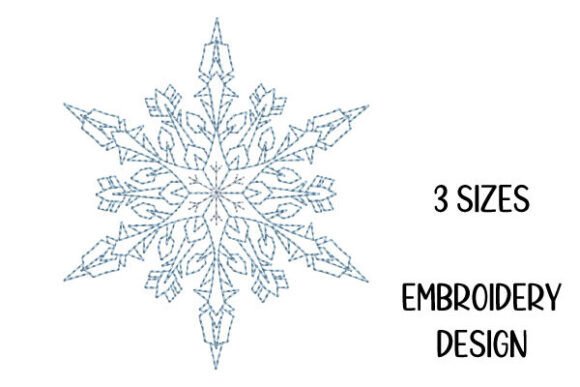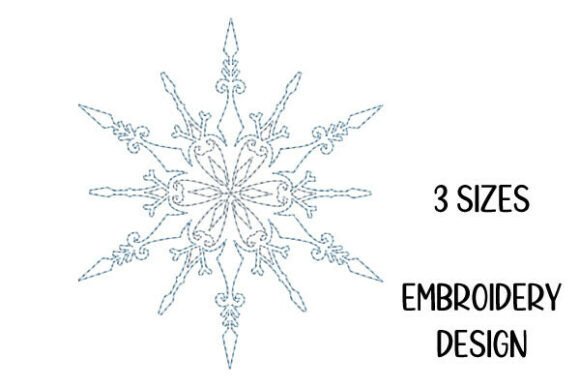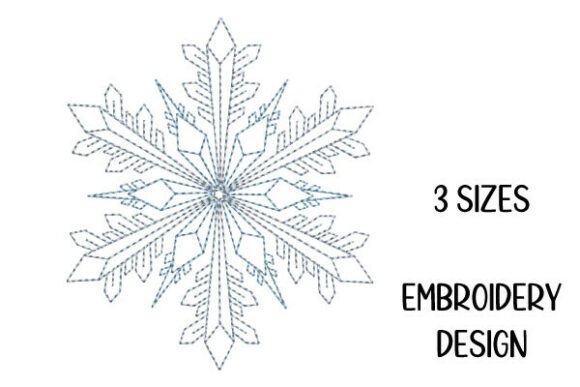
Snowflake Winter Line Art Embroidery
First Impression: Minimalist Elegance That Catches the Eye
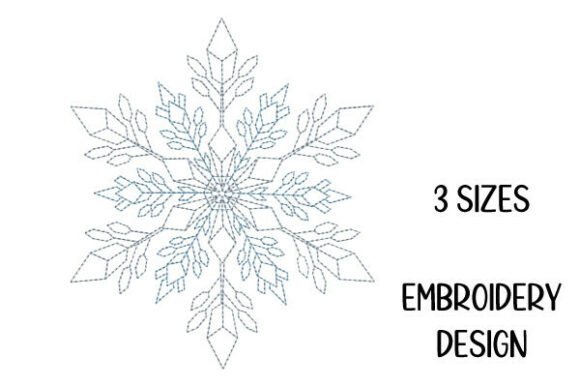
As an embroidery designer who’s curated over 200 craft fair booths, I can tell you—Snowflake Winter Line Art Embroidery lands instantly as minimal, elegant, and quietly festive. It doesn’t shout “holiday.” It whispers “winter sophistication.” That fine line art quality means it reads as modern—not rustic, not cutesy, not cluttered. At a glance, shoppers see clean geometry, delicate symmetry, and intentional negative space. That’s gold for handmade markets where visual fatigue is real and attention spans are short.
Where This Design Shines on Craft Fair Products
Snowflake Winter Line Art Embroidery performs exceptionally well across high-visibility, high-margin items—but not equally everywhere. Here’s how it plays out in real booth conditions:
- Tote bag design: Perfect as a subtle left-chest accent or centered low on the front panel. The fine lines read beautifully at 3–4 inches wide—clean, legible, and premium-feeling.
- Apron embroidery: Ideal above the pocket or centered on the bib. Its light footprint won’t compete with flour smudges or coffee splashes—it enhances, not overwhelms.
- Tea towel embroidery: A standout when placed near the top hem or corner. Works especially well on natural linen or unbleached cotton—fabrics that let the line art breathe.
- Embroidered patch: Highly effective as a sew-on or iron-on option. Small size (2.5–3") retains clarity, making it ideal for bundling with holiday gift sets.
- Fabric pouches & pillow covers: Delivers quiet luxury. Customers consistently reach for these when they want “handmade but refined”—not crafty-casual.
- Caps & curved surfaces: Use caution. Fine line art struggles on tightly curved crowns unless digitized with stitch relaxation and reduced density. Test first.
- Market bags & large totes: Avoid scaling up beyond 5". Over-enlarging risks thin lines collapsing or looking uneven under tension.
What Makes It Sell—And What Slows It Down
This isn’t just a pretty snowflake—it’s a strategic craft fair product. Its strength lies in versatility: it photographs crisply for Etsy listings, fits cleanly into printable mockups, and reinforces brand consistency across a winter collection without repeating the same motif.
But practicality matters. As a working embroidery designer, I’ve seen this design lose impact when:
- Applied to textured towels (like heavy waffle weave)—fine lines get lost in the pile.
- Stitched on dark fabric without high-contrast thread colors—subtlety becomes invisibility.
- Used below 2" without checking stitch density—tiny interior angles may not fully render on home machines.
- Placed on thick fabric (e.g., denim aprons) without appropriate stabilizer—line integrity suffers.
It’s not a “set-and-forget” machine embroidery design. It rewards intentionality—and that intentionality shows up in the finished product.
Booth Presence & Buyer Engagement
In a crowded handmade market, Snowflake Winter Line Art Embroidery stands out by not competing for attention—it invites closer inspection. I’ve watched customers pause, tilt their heads, trace the pattern with their eyes, then ask, “Is that hand-drawn?” That moment of curiosity is your opening to talk about craftsmanship, seasonality, and small-batch care.
It elevates perceived value: a plain tea towel with this embroidery feels like a boutique find, not a generic kitchen item. On tote bags and pouches, it signals thoughtful gifting—ideal for holiday shoppers seeking something meaningful but not overtly themed.
Production Notes Every Embroidery Business Owner Should Follow
Before cutting fabric or loading hoops, do these six things:
- Test the embroidery file on scrap fabric matching your final product—linen, canvas, twill, or terry—especially if using textured or dark materials.
- Check thread contrast against your base fabric. For light fabrics, try matte white or silver metallic; for darks, go bold with charcoal grey or deep navy thread.
- Review spacing and underlay—fine line art needs precise jump stitch management to avoid floating threads or misalignment.
- Confirm hoop size compatibility with your production workflow. If your most-used hoop is 4x4, verify the largest recommended size fits without re-hooping.
- Inspect stitch density in tight interior points—overly dense fills will distort delicate arms of the snowflake. Lighter density often reads cleaner.
- Use cutaway or tear-away stabilizer appropriately: lightweight cutaway for knits or stretchy fabrics; firm tear-away for stable wovens like cotton canvas.
Also—create at least one real mockup, not just digital previews. Hang it on your booth display rack next to non-embroidered versions. See how light hits the stitches. Watch how people respond. That tactile truth beats any screen preview.
Final Thoughts for Etsy Sellers & Small Shop Owners
Snowflake Winter Line Art Embroidery is a smart addition to your winter design assets—not because it’s trendy, but because it’s repeatable, scalable, and resonant. It works as a standalone statement or as part of a coordinated set (think: matching tea towel + pouch + patch). For digital sellers, it pairs beautifully with neutral packaging and minimalist lifestyle photography.
Just remember: its elegance depends on execution. Don’t rush the test stitch. Don’t skip the fabric comparison. And always, always confirm commercial licensing before selling finished products—this isn’t just etiquette, it’s essential protection for your handmade business.
If you’re building a cohesive winter collection—or simply want one embroidery file that looks equally at home on a $28 market bag and a $98 linen pillow cover—Snowflake Winter Line Art Embroidery earns its place. Not as filler. But as focus.