Progress over Perfection Embroidery Desi
A Designer’s First Look: Charm with Quiet Confidence
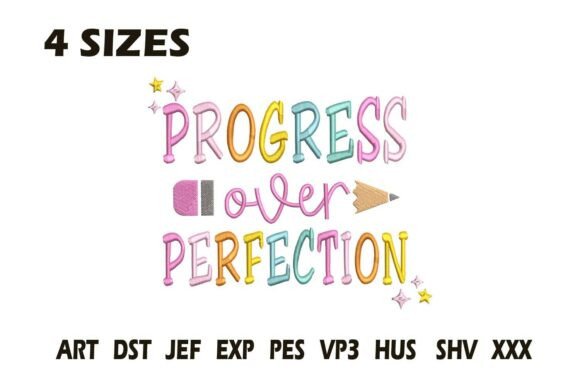
When Progress over Perfection Embroidery Desi landed in my inbox, I didn’t just scan the preview—I paused. Not because it’s flashy or technically dense, but because it *breathes*. The layout feels intentional yet relaxed: soft curves, open spacing between letters, and a subtle hand-drawn quality that avoids rigidity. It’s not shouting “motivational quote”—it’s leaning in, gently reminding. As an embroidery designer who tests dozens of inspirational designs each month, I immediately pictured it stitched on a linen tea towel for a local boutique, or centered on a cream-colored organic cotton tote bag for a mindful lifestyle brand. That’s where this machine embroidery design lives best: in thoughtful, tactile, human-scale handmade products.
How It Stitches—And What That Means for Real Projects
I ran Progress over Perfection Embroidery Desi on three test fabrics: midweight cotton twill (for aprons), brushed poly-cotton blend (for sweatshirts), and lightweight terry (for kitchen towels). On all three, the stitch density felt balanced—not so light it faded, not so heavy it buckled. The satin stitch outlines held crispness without stiffness, and the fill stitches settled smoothly, especially when paired with a medium-weight cutaway stabilizer. No puckering. No thread nesting. That reliability matters when you’re stitching 30+ units for a craft fair or prepping personalized gifts for holiday orders.
For custom apparel like sweatshirt embroidery or baby embroidery, the design’s moderate height and generous letter spacing prevented crowding—even on curved surfaces like raglan sleeves. I tried it on a structured dad cap too (using a smaller hoop and basting stitch first), and while the outer curves softened slightly, the message remained legible and warm. That’s rare for text-based embroidery files. Most “inspirational” designs either shrink into illegibility or oversaturate with decorative flourishes. This one trusts the words—and the maker.
Where It Shines (and Where to Pause)
Progress over Perfection Embroidery Desi is ideal for:
- Tote bag design—centered on natural canvas or unbleached cotton, it reads as grounded and sincere
- Holiday embroidery—stitched on a neutral throw pillow or linen napkin, it adds quiet warmth without cliché
- Personalized gift items—paired with a monogram or small icon (like a tiny leaf or stitch), it elevates baby embroidery or wedding gift towels
- Etsy seller listings—its clean, modern tone supports strong printable mockups and resonates with buyers seeking meaningful, non-generic design assets
- Small shop product branding—think embroidered tags on handmade soap bundles or stitched labels on ceramic mugs
Use carefully on:
- Thin or highly stretchy fabric (like jersey) without proper stabilizer—it needs structure to hold its shape
- Dense textured fabrics (e.g., thick terry or bouclé) where fine details may blur
- Dark fabric with light thread unless contrast is intentionally high—test thread colors first
- Projects requiring frequent washing (like kids’ clothing)—verify stitch density holds up after laundering
- Curved or layered garments (e.g., hoodies with pockets) where registration must be precise
What It Adds Beyond the Stitch
This isn’t just another embroidery file. It subtly shifts how a finished product is perceived. A plain cotton tea towel becomes a curated kitchen essential. A basic black sweatshirt gains quiet intentionality. Customers notice that difference—it builds trust. When buyers see Progress over Perfection Embroidery Desi on your Etsy listing or boutique shelf, they don’t just register “cute font.” They sense care, consistency, and alignment with values. That lifts perceived value, supports premium pricing, and strengthens brand voice—especially for creative entrepreneurs building identity around authenticity over polish.
It also works beautifully in digital contexts. In black-and-white mockups, the design retains clarity and rhythm. On light and dark backgrounds alike, it adapts without losing warmth. That versatility makes it a smart addition to your design assets library—not just for physical stitching, but for cohesive visual storytelling across social media, packaging, and email headers.
Practical Notes from the Hoop
Before committing to production, here’s what I always do—and recommend you do—with Progress over Perfection Embroidery Desi:
- Test on scrap fabric first, using your exact thread colors and stabilizer combo
- Check small details—especially inner curves and negative space—under magnification if needed
- Review stitch density in your embroidery software; adjust if layering on plush fabric
- Confirm hoop size—this design likely fits comfortably in a 4x4 or larger, but verify before hooping precious material
- Compare light/dark fabric backgrounds in mockups to guide thread selection
- Use proper stabilizer: medium cutaway for knits, tear-away for stable wovens, and fusible + cutaway for lightweight linens
- Verify licensing terms before selling finished products or bundling the digital embroidery file commercially
Final Thought: A Design That Supports Your Process
As a designer who’s stitched everything from intricate applique designs to minimalist running-stitch motifs, I appreciate when a machine embroidery design doesn’t ask me to contort my process to fit it. Progress over Perfection Embroidery Desi meets makers where they are—whether you’re an Etsy seller batching 50 tote bags, a small shop owner embroidering nursery decor, or a hobbyist stitching a heartfelt holiday gift. It doesn’t demand perfection. It invites progress. And in the real world of thread breaks, fabric shifts, and tight deadlines? That’s not just inspirational—it’s deeply practical.